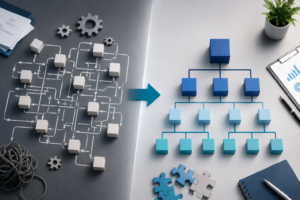

Today, that role is evolving.
The most effective HR leaders are helping shape business strategy by influencing workforce planning, organisational growth, and capability development. As skills shortages, economic pressures, and AI adoption continue to reshape workplaces, people decisions have become business decisions.
Workforce Planning Drives Business Success
Organisations are increasingly linking workforce planning directly to business objectives. HR leaders are helping companies identify future skills needs, plan headcount strategically, and ensure the workforce can support growth ambitions.
HR’s Role in AI and Transformation
AI is changing the way businesses operate, and HR is playing a key role in managing that change. From identifying skills gaps to supporting workforce readiness, HR is helping organisations adopt new technologies while keeping people at the centre of the process.
Building Capability for the Future
Modern HR is about more than policies and procedures. It is about developing leaders, strengthening workforce capability, and creating talent strategies that support long-term success.
As a result, more organisations are involving HR leaders in commercial, operational, and AI strategy discussions.
The future of HR is not simply supporting the business—it is helping drive it.
#HR #HumanResources #HRLeadership #PeopleStrategy #WorkforcePlanning #TalentManagement #FutureOfWork #BusinessStrategy #OrganisationalDevelopment #Leadership #AIInHR #WorkforceTransformation #TalentStrategy #EmployeeExperience #BusinessGrowth