
Employees are using AI tools to write emails, analyse data, create reports, and support decision-making. While the productivity benefits are undeniable, the risks are growing just as quickly.
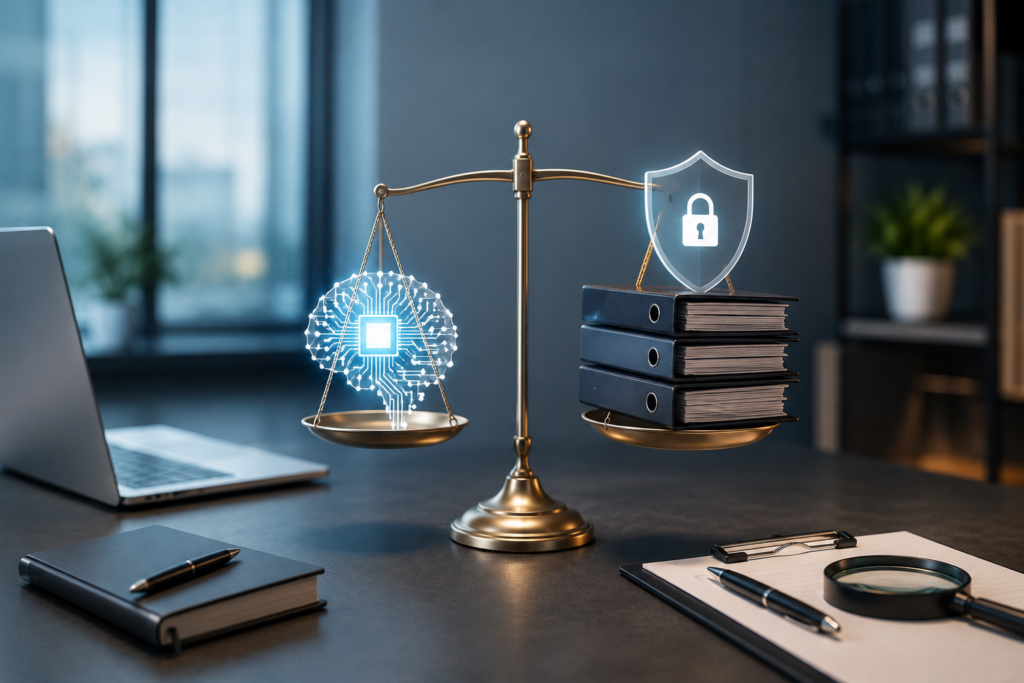
Without clear guidance, employees may unknowingly share confidential company information with AI platforms. Sensitive client data, commercial insights, and employee records can all become vulnerable if proper safeguards are not in place.
For HR and recruitment teams, the stakes are even higher. AI-assisted hiring, screening, and workforce decisions raise important questions around fairness, bias, accountability, and compliance. If decisions cannot be explained or justified, organisations may face significant legal and reputational risks.
This is why AI governance is becoming more important than AI adoption itself.
Businesses should have clear policies covering acceptable AI use, data protection, employee responsibilities, approval processes, and oversight mechanisms. Managers and employees need training to understand both the opportunities and limitations of AI technologies.
The organisations gaining the greatest value from AI are not necessarily the ones using the most tools. They are the ones creating frameworks that allow innovation to happen safely and responsibly.
The question is no longer whether your business should use AI.
The question is whether your governance strategy is keeping pace with it.
#ArtificialIntelligence #AI #AIGovernance #ResponsibleAI #HumanResources #HRConsulting #Recruitment #TalentAcquisition #FutureOfWork #DataProtection #RiskManagement #BusinessStrategy #DigitalTransformation #Leadership #WorkplaceInnovation #PeopleManagement #HRLeadership #Compliance #TechnologyInHR #BusinessGrowth