
But the biggest succession planning risk is often much closer than that.
What would happen if your top-performing manager, finance specialist, or key account lead resigned tomorrow?
Many organisations rely on a handful of employees who hold critical knowledge, manage important client relationships, or keep essential processes running. When one of these individuals leaves unexpectedly, the impact can be immediate—projects slow down, knowledge is lost, client confidence is affected, and teams are left trying to fill the gap.
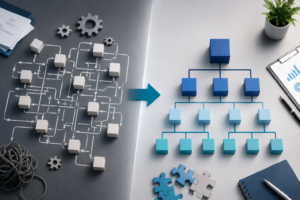
The good news is that succession planning isn’t about creating a replacement for every role. It’s about building resilience within your organisation.
That means documenting key processes, sharing knowledge across teams, identifying high-potential employees, and developing future leaders before they’re needed.
Ask yourself:
✔️ Who would be the hardest to replace?
✔️ What knowledge is held by only one person?
✔️ Are critical processes documented?
✔️ Are you preparing future leaders today?
The strongest organisations don’t wait until a key employee leaves to discover their biggest vulnerability.
They prepare in advance—creating a business that can adapt, grow, and continue to thrive, no matter what changes come their way.
Because succession planning isn’t just about replacing people—it’s about protecting the future of your business.
#HRConsulting #SuccessionPlanning #LeadershipDevelopment #BusinessResilience #BusinessGrowth #PeopleStrategy #HRStrategy #TalentManagement #WorkforcePlanning #Leadership #EmployeeDevelopment #HumanResources #SME #EmployerBrand #FutureLeaders #BusinessSuccess #PeopleFirst #OrganisationalDevelopment #LeadershipPipeline #TeamDevelopment